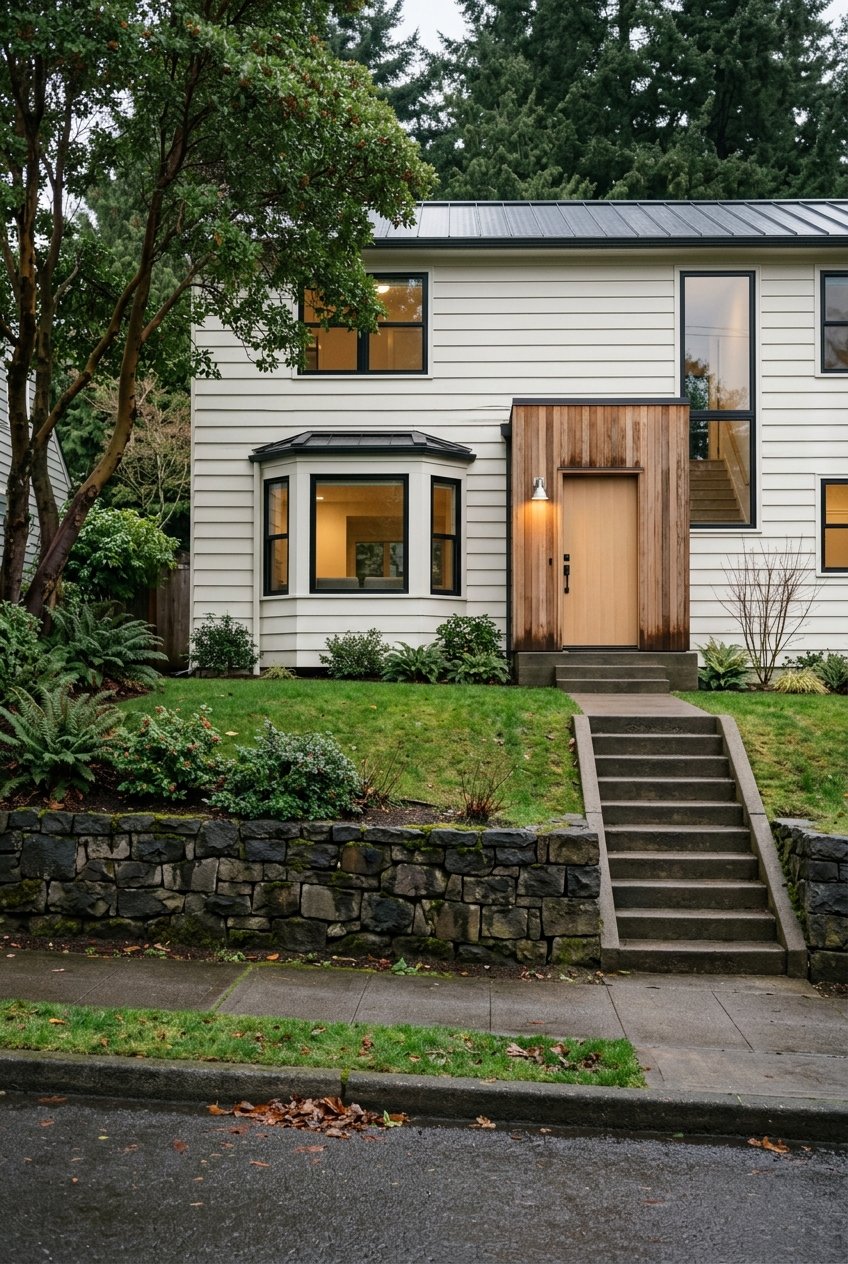
If you are trying to choose between Magnolia and nearby northwest Seattle neighborhoods, you are really deciding what kind of daily life you want. A few miles can change how your block feels, how you run errands, and how connected you feel to parks, water, and the city. This guide will help you compare Magnolia, Queen Anne, and Ballard in practical terms so you can narrow in on the neighborhood that fits you best. Let’s dive in.
Why this comparison matters
Magnolia, Queen Anne, and Ballard all sit in Seattle’s northwest side of the city, but they live very differently day to day. Magnolia feels the most secluded, Queen Anne feels the most close-in and varied, and Ballard feels the most urban and main-street oriented.
If you are relocating within Seattle or moving in from out of town, that difference matters. You are not just buying a home. You are choosing a rhythm, a streetscape, and a version of city living that will shape your routine.
Magnolia at a glance
Magnolia stands apart because of its peninsula-like setting and strong relationship to Discovery Park, the waterfront, and the bluff. City materials describe it as the most topographically isolated of the three, and that physical separation is a real part of its identity.
In practical terms, Magnolia often appeals to buyers who want quieter streets, a more residential feel, and room to breathe. Its core commercial area is centered on Magnolia Village, which gives the neighborhood a compact, local-hub feeling rather than a larger commercial grid.
Magnolia housing feel
Magnolia developed as a motorized streetcar suburb, with many one- and two-story single-family homes built largely in the 1950s and 1960s. The neighborhood’s residential blocks generally have larger typical parcels than older Seattle areas, which helps explain why it often feels less dense.
If you are comparing the three neighborhoods strictly by housing character, Magnolia reads as the most residential. You will find a strong concentration of single-family homes and a noticeably calmer block pattern than in Queen Anne or Ballard.
Magnolia daily life
Magnolia Village is the clearest center of everyday convenience. The area around West McGraw Street and 34th Avenue West functions as a small neighborhood commercial district with a strong street edge and sidewalks along the storefronts.
That setup creates a village feel rather than a busy urban corridor. For some buyers, that is exactly the appeal. Your coffee run, quick errand, or dinner out can feel local and easy without the pace of a larger business district.
Magnolia and the outdoors
If access to major green space matters to you, Magnolia has a strong advantage. Discovery Park is Seattle’s largest park, with more than 530 acres of natural area and about two miles of protected tidal beaches.
The neighborhood also connects in meaningful ways to Salmon Bay, Fisherman’s Terminal, and the Ship Canal. Compared with Queen Anne and Ballard, Magnolia has the strongest park-and-water identity, especially if you picture your ideal weekend including trails, bluff views, and shoreline access.
Magnolia access considerations
Magnolia’s privacy comes with a tradeoff. Access in and out of the neighborhood is bridge-dependent, and Seattle transportation planning has treated those connections as important to mobility and emergency planning.
For some buyers, that separation adds to Magnolia’s appeal. For others, it is something to weigh carefully if you want a more direct, close-in feel.
Queen Anne at a glance
Queen Anne is the most close-in of the three hill neighborhoods and the most transit-linked in its overall identity. It combines quiet upper-hill residential blocks with denser, more urban-feeling areas on the south slope and around Uptown.
That range gives Queen Anne a layered feel. If Magnolia is the most secluded and Ballard is the most obviously main-street oriented, Queen Anne sits in the middle with more variation from one pocket to the next.
Queen Anne housing mix
Queen Anne developed through early transit access, view-oriented growth, and streetcar-era platting. The neighborhood includes single-family homes, apartment houses, and commercial pockets, with historic lot patterns that often run narrower than what you see in Magnolia.
This wider housing mix can be a real advantage if you want more options in home type and block character. Some parts feel distinctly residential and quiet, while other areas feel much more tied to the city around them.
Queen Anne convenience
Queen Anne Avenue North is the neighborhood’s main convenience spine. Seattle transportation materials describe Upper Queen Anne as a busy business district that is reachable by walking, biking, or bus.
City historic context materials also note that Upper Queen Anne, Uptown, and smaller commercial nodes provide amenities within walking distance of every home. That makes Queen Anne the strongest of the three if you want neighborhood-scale errands spread across multiple subareas rather than concentrated in one primary village or one dominant main street.
Queen Anne lifestyle fit
Queen Anne’s relationship to water is more about views than shoreline lifestyle. The hill developed in part because of its water views and accessibility, but in everyday terms it is less waterfront-oriented than Magnolia or Ballard.
If your priority is being close to downtown while still having residential blocks and hilltop privacy, Queen Anne often strikes that balance well. It can feel polished, established, and highly functional for buyers who want both convenience and character.
Ballard at a glance
Ballard has the most urban-walkable personality of the three. It blends a historic commercial core, older residential fabric, and strong waterfront ties with direct bridge connections toward downtown through Interbay.
For buyers who want energy, recognizable commercial streets, and a neighborhood that wears its identity out in the open, Ballard is often the clearest fit. Its main-street structure is easy to read, and that can make it especially approachable for relocators.
Ballard housing character
Ballard’s housing stock is more mixed and generally more urban in feel than Magnolia’s. Historic records describe mostly single-family homes along with multifamily buildings, commercial buildings, schools, and churches.
The neighborhood’s historic homes are often modest cottages and builder’s houses rather than highly formal architect-designed residences. Combined with tighter, more gridded development patterns, that gives Ballard a more active and compact street presence.
Ballard walkability
Ballard’s walkable core is the strongest and most legible of the three neighborhoods. Ballard Avenue is preserved as a small-town main street, and Ballard Avenue plus Market Street are described in city planning materials as the traditional main street corridors.
This is where Ballard really stands out. If you want a neighborhood where shops, restaurants, and daily activity feel central to the experience, Ballard makes that easy to picture.
Ballard and the water
Ballard combines city access with an active waterfront identity. The Ballard Bridge connects the neighborhood toward Magnolia, Queen Anne, and downtown through Interbay, while Golden Gardens Park adds beach access, trails, and a boat launch.
The neighborhood’s connection to Salmon Bay and the Locks gives it a working-waterfront feel that is different from Magnolia’s park-preserve atmosphere. If you like maritime energy as part of everyday life, Ballard offers the clearest version of that.
Magnolia vs Queen Anne vs Ballard
Here is the simplest way to think about the three.
| Neighborhood | Best known for | Housing feel | Daily convenience | Water and park identity |
|---|---|---|---|---|
| Magnolia | Quiet streets and park setting | Larger-feeling lots, mostly single-family homes | Compact village hub | Strongest connection to Discovery Park, bluff views, and shoreline access |
| Queen Anne | Close-in convenience and variety | Mix of single-family homes, apartments, and denser subareas | Multiple walkable nodes | More view-oriented than waterfront-oriented |
| Ballard | Main-street energy and urban walkability | Mixed housing with more compact, gridded feel | Strongest traditional commercial core | Active waterfront character tied to Salmon Bay, the Locks, and Golden Gardens |
How to choose the right fit
The right neighborhood usually comes down to what you want more of and what tradeoffs you are comfortable making. All three offer strong Seattle lifestyle value, but they deliver it in different ways.
Choose Magnolia if you want calm and space
Magnolia may be the best fit if you are drawn to:
- Quieter residential streets
- Larger-feeling parcels
- A strong single-family home presence
- Easy access to Discovery Park and shoreline areas
- A more tucked-away, village-like atmosphere
For many buyers, Magnolia feels like an intentional step back from the city’s faster pace while still staying within Seattle.
Choose Queen Anne if you want range and access
Queen Anne may fit best if you want:
- A close-in location
- More housing variety
- Multiple convenience nodes
- A mix of private-feeling blocks and urban access
- Strong everyday functionality without giving up neighborhood character
Queen Anne is often the most balanced option for buyers who want flexibility in both lifestyle and housing type.
Choose Ballard if you want energy and walkability
Ballard may be the strongest match if you want:
- A clear main-street neighborhood feel
- Strong walkability for shops and dining
- Mixed housing in a more urban setting
- Waterfront access with a working-maritime identity
- Direct connections toward the rest of northwest Seattle and downtown routes
If you want the neighborhood itself to feel animated and highly legible, Ballard is hard to beat.
A local perspective on Magnolia
Because Michael Green lives in Magnolia and works extensively across Magnolia, Ballard, and nearby north Seattle neighborhoods, this is the kind of comparison that benefits from block-by-block context. On paper, all three neighborhoods can look appealing. In person, the difference between village calm, hilltop convenience, and main-street energy becomes much clearer.
That is especially true if you are weighing not just location, but also property type. A view home, an older house with deferred maintenance, or a larger parcel can carry very different value stories depending on the neighborhood and your long-term goals.
Final thoughts
If you want the shortest summary, here it is: Magnolia is the most secluded, Queen Anne is the most internally varied, and Ballard is the most urban-walkable. None is objectively better. The right choice depends on whether you want calm, convenience, or energy to lead the experience.
If you are comparing homes in Magnolia, Queen Anne, or Ballard, neighborhood nuance matters just as much as square footage. If you want help thinking through fit, value, and the tradeoffs between these northwest Seattle neighborhoods, reach out to Michael Green for a more strategic conversation.
FAQs
How does Magnolia compare to Queen Anne for daily convenience?
- Magnolia centers daily errands around Magnolia Village, while Queen Anne offers multiple walkable convenience nodes including Queen Anne Avenue North, Uptown, and smaller commercial areas.
How does Magnolia compare to Ballard for walkability?
- Magnolia has a compact village-style commercial center, while Ballard has the stronger traditional main-street environment centered around Ballard Avenue and Market Street.
What is the biggest lifestyle difference between Magnolia and Ballard?
- Magnolia is more secluded and park-oriented, while Ballard feels more urban, retail-focused, and tied to an active waterfront identity.
Is Queen Anne or Magnolia more close-in to downtown Seattle?
- Queen Anne is the more close-in and transit-linked hill neighborhood, while Magnolia is more geographically isolated and bridge-dependent.
Which northwest Seattle hill neighborhood has the strongest park access?
- Magnolia stands out for park access because Discovery Park, Seattle’s largest park, sits on Magnolia Bluff and includes large natural areas and protected tidal beaches.
Which neighborhood feels most residential: Magnolia, Queen Anne, or Ballard?
- Magnolia generally feels the most residential because of its larger-feeling parcels, lower density, and strong concentration of single-family homes.