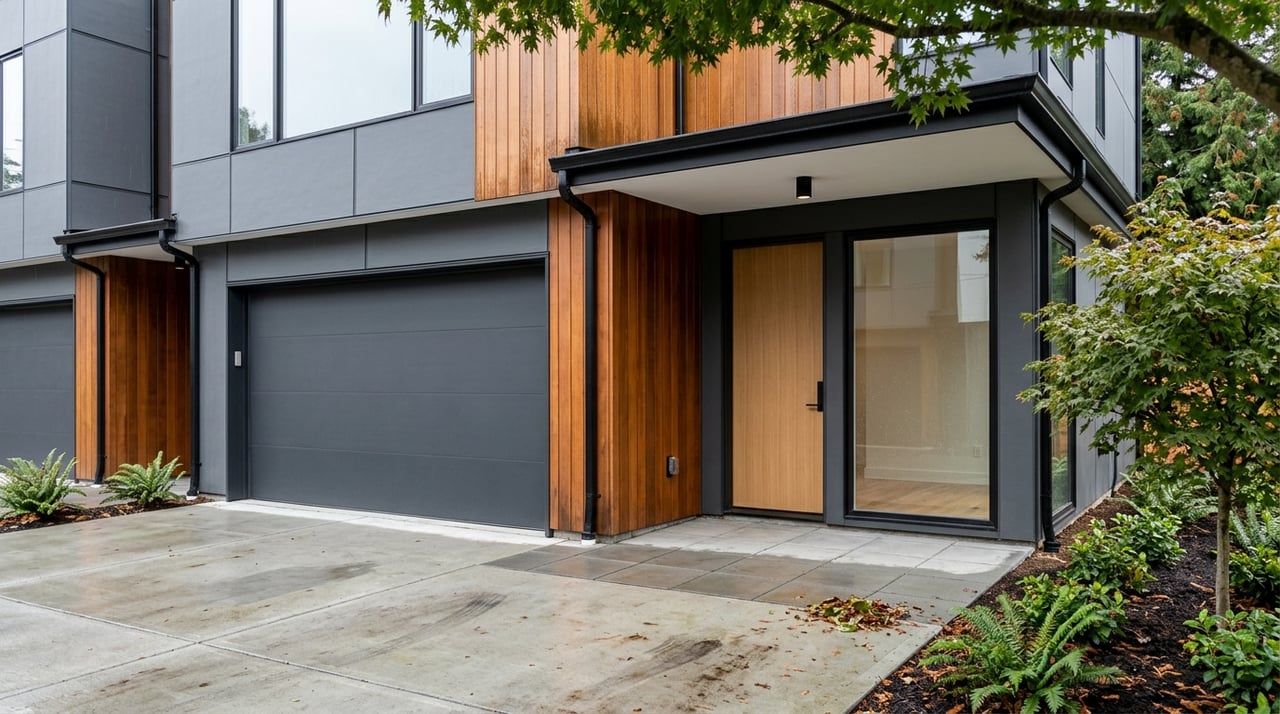
Wondering which kind of Magnolia home actually fits your day-to-day life, not just your saved search? That is a smart question to ask in a neighborhood where bluff-top views, older detached homes, compact new infill, and block-by-block differences can change how a home feels and functions. If you are buying in Magnolia, the right choice often comes down to maintenance, privacy, parking, and how you want to move through the neighborhood each day. Let’s break it down.
Why Magnolia feels unique
Magnolia does not feel like a typical grid neighborhood. Seattle historical materials describe it as a peninsula neighborhood with a strong local identity, shaped by bluffs, water edges, and a somewhat bounded feel from the rest of the city.
That geography matters when you shop for a home. Two properties with similar square footage can live very differently depending on elevation, exposure, proximity to Magnolia Village, and how close they are to parks or bus routes.
Magnolia also has a largely residential character. Much of the housing stock dates from the 1930s through the 1960s, which helps explain why classic detached homes still define so much of the neighborhood.
Parks and views shape the lifestyle
If you are drawn to Magnolia, there is a good chance the outdoor setting is part of the appeal. Discovery Park offers 560 acres of trails, beaches, and broad views of Puget Sound and the mountain ranges, while Magnolia Park and Magnolia Boulevard are known for bluff-top outlooks.
For buyers, this means view value can be highly specific. A home’s block, slope, placement, and line of sight may matter just as much as the home type itself.
Transit and access are practical factors
Magnolia has transit access, but in everyday use it is more bus-oriented than rail-oriented. King County Metro routes 24 and 33 connect Magnolia with Downtown Seattle, and routes 31 and 32 link South Magnolia with Queen Anne, Fremont, Wallingford, and the University District.
Seattle planning materials also note that four bridges serve the neighborhood. In practice, that reinforces Magnolia’s more bounded feel and makes your exact location and parking setup especially important.
Magnolia home types to compare
Choosing the right Magnolia home usually means comparing four main paths: condos, townhomes or rowhouses, classic single-family homes, and newer construction. Each one comes with a different tradeoff between ease, space, privacy, and upkeep.
Condos for lower maintenance
A condo is often the simplest ownership option if you want less exterior upkeep and a smaller footprint. The association typically manages shared areas and common services, which can make day-to-day ownership feel more streamlined.
That convenience comes with monthly dues. Nationally, 21.6 million owned households paid a condo or HOA fee in 2024, and the median monthly fee was $135, so it is important to understand what those dues cover before you buy.
In Magnolia, condos often appeal to buyers who want a more managed, lock-and-leave lifestyle. If private yard space and maximum autonomy matter less to you than convenience, a condo may be the right starting point.
Townhomes for a middle ground
Townhomes and rowhouses are one of Magnolia’s more common newer housing choices. Recent Magnolia design-review filings show continued additions of small-lot townhomes and rowhouses rather than large apartment-style projects.
That pattern matters because it gives buyers a useful middle option. A townhome can feel more house-like than a condo while still offering a compact footprint and, in many cases, some shared-wall living and association structure.
If you want something newer and more private than a condo, but you are not looking for the full upkeep of a detached house, this can be a strong fit. In Magnolia, newer townhome projects also often include parking, which is worth close review.
Classic single-family homes for space and flexibility
Magnolia’s classic single-family homes remain a defining part of the neighborhood. Historical materials describe Magnolia as a streetcar suburb with many detached homes, and the plateau is still dominated by one- and two-story single-family dwellings from roughly 1930 to 1960.
This home type often fits buyers who care most about privacy, storage, yard space, and long-term flexibility. If you want more control over your property or are open to updates over time, a detached home may line up best with your goals.
That said, older homes usually ask more of you after closing. You are trading greater autonomy and space for more hands-on responsibility around maintenance and repairs.
New construction for modern systems
In Magnolia, new construction usually means infill. Rather than large condo towers, newer housing often shows up as compact townhomes, rowhouses, mixed-use projects, or homes shaped by Seattle’s current neighborhood residential code.
For you as a buyer, the upside is clear. Newer homes often offer modern layouts, newer systems, and fewer immediate repair needs.
The tradeoff is usually lot size and setting. Newer homes may come with smaller lots, less mature landscaping, and less of the older Magnolia character that many buyers love.
Compare the real tradeoffs
A beautiful listing can be easy to fall for in Magnolia, especially when views or design details grab your attention. But the better question is how that home will support your routine after the excitement of touring wears off.
Maintenance and monthly costs
Maintenance is one of the clearest dividing lines between home types. Condos and many townhomes shift some exterior and common-area work to an association, while detached homes place more responsibility on you.
That is why monthly dues deserve careful attention. You are not just comparing purchase price. You are comparing how much time, effort, and maintenance risk you want to carry yourself.
Privacy and noise by block
Privacy generally increases as you move from condo to townhome to detached house. But in Magnolia, topography adds another layer because bluff locations, setbacks, and quieter interior streets can create a very different experience from homes closer to Magnolia Village, bus corridors, or newer infill pockets.
Even within the same category, one block may feel tucked away and calm while another feels more exposed. This is one reason neighborhood fluency matters so much in Magnolia.
Parking and daily commuting
Parking can have a big effect on your quality of life here. Recent townhouse proposals in Magnolia explicitly include parking, and buyers should verify whether a space is deeded, attached, tandem, alley-accessed, or street-only.
That detail matters because Magnolia’s transit use is largely bus-based. The right home for you may depend on whether you plan to rely mainly on a car, partly on transit, or mostly on walking to nearby destinations.
Walkability to village and parks
Walkability in Magnolia is more address-specific than people sometimes expect. Magnolia Village serves as the neighborhood’s commercial center, and nearby community amenities cluster around it, while transit service is concentrated along certain corridors.
If walkability matters to you, compare the exact home address against your likely destinations. A short trip to Magnolia Village, a nearby park, or the nearest bus stop may shape your daily satisfaction more than broad neighborhood labels.
A simple Magnolia shortlist
If you want to narrow your search quickly, start with the lifestyle tradeoff that matters most to you. Then let the home type follow that priority.
Best fit by lifestyle
- Choose a condo if you want lower exterior maintenance, a smaller footprint, and a more managed ownership experience.
- Choose a townhome if you want a newer, more house-like option without taking on the full upkeep of a detached property.
- Choose a classic single-family home if you value privacy, yard space, storage, and long-term flexibility.
- Choose new construction if modern layouts, newer systems, and fewer immediate repairs sit at the top of your list.
In Magnolia, though, the final decision usually comes down to more than the category itself. Views, parking, slope, and access to Magnolia Village or a bus route often decide whether a home truly fits your routine.
Questions to ask before touring
Before you build a shortlist, it helps to use the same filter for every property. That keeps one great photo or one nice view from distracting you from how the home actually lives.
Ask these questions for each listing:
- How much exterior maintenance is included?
- What do the monthly HOA or condo dues cover?
- Where is the parking, and how does it work day to day?
- How far is the walk to Magnolia Village or the nearest bus stop?
- Does the lot slope, view exposure, or building placement make the home feel private or exposed?
Those questions can help you compare very different properties on equal footing. They also help separate a home that looks good online from one that supports your life in Magnolia for years to come.
If you want help weighing older character homes against newer infill, or comparing two very different blocks in Magnolia, working with someone who knows the neighborhood can make the process much clearer. For thoughtful guidance on Magnolia homes and the tradeoffs behind them, connect with Michael Green.
FAQs
What type of home is most common in Magnolia, Seattle?
- Magnolia is still strongly defined by older detached housing, with much of the neighborhood’s housing stock dating from the 1930s through the 1960s.
Are Magnolia condos a good fit for low-maintenance living?
- Yes. In Magnolia, condos are often the most practical ownership path for buyers who want less exterior upkeep, a smaller footprint, and a simpler lock-and-leave lifestyle.
Are new homes in Magnolia usually condos or townhomes?
- In many cases, newer Magnolia housing takes the form of infill townhomes and rowhouses rather than large condo towers.
How important is parking when buying a Magnolia home?
- Parking is very important because Magnolia is more bus-oriented than rail-oriented, and the exact setup, such as attached, tandem, alley-accessed, or street-only, can shape daily convenience.
Does walkability vary within Magnolia, Seattle?
- Yes. Walkability is highly block-specific in Magnolia, so it is important to compare each address to Magnolia Village, nearby parks, and the nearest bus stop rather than assuming the whole neighborhood functions the same way.
What should buyers compare first when choosing between Magnolia home types?
- Start with the basics: maintenance responsibility, monthly dues, parking, privacy, and how easily the home connects you to Magnolia Village or your most-used bus corridor.